

"A family residing in the northern part of London is looking for an remarkable and skilled educator to support their smallest child on his early path to growing into an English gentleman."
When reading this post, you might readily skip the wording "initial stages" as mere an expression.
But, it might be the most important aspect of this distinctive position posting, as it aims to recruit a tutor for a 12-month-old.
Many of responses have since been received since the anonymous family posted their search for the £180k-a-year tutor, who must be "someone very special".
During the past few weeks, the listing has attracted notice across the press, with numerous wondering why?
Progressive Approach
The CEO, CEO and founder of an education consultancy, which is helping the family in their hunt, stated that notwithstanding initial scepticism, he viewed the plan "forward-looking", and "innovative".
When he spoke with the family, he said they recognized the unusual character of their request, and how early in age their son is.
However, they explained that they "didn't want to wait any longer" to get a tutor, as they had postponed until their firstborn was five, and by that point "cultural conditioning had already taken hold".
But what did the family refer to by "cultural bias"?
It's "comprehensive", the expert replied. "The way you eat, how you speak".
He said the elder child had picked up "extremely delicate, unspoken signals" from the family, and had adopted their cultural habits. The family told the consultant they did not want history to recur with their younger child.
The strategy: To hire a UK tutor, who needs to speak with RP, to shape the baby right from the beginning.
Osmotic Learning
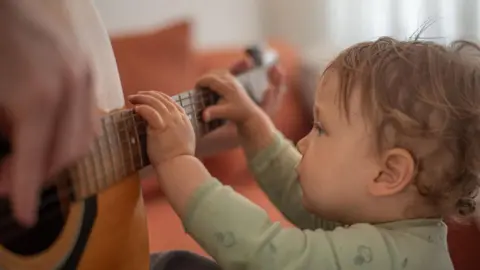
"A lot of the education at the outset here is somewhat osmotic," explained Adam.
It's through this subtle influence that the family are aiming the child will adopt the UK customs they wish to impart.
Adam noted the tutor must be an individual who attended "the appropriate educational institutions – similar types of schools as the family hope to send their son to".
"The educator simply needs to be the appropriate candidate, they'll be performing things they don't even know they're doing, simply by nature," he added.
Expense Not a Factor
The family explained to him the chosen tutor should ideally also have knowledge of or interest in equestrian activities, winter sports, artistic pursuits and music so as to inspire the child in a diverse set of hobbies.
More than that though, he said the family desired the tutor to sign up the child on a selection of classes so the child would be "horseback riding and learning an tool by the time they are approximately three years old".
In the family's view, guiding their son grow into a "UK sophisticate" will bring about accomplishment and open doors.
"For all the advantages and disadvantages of that, because it's certainly a class statement," he comments.
But, notwithstanding all this tutelage in "Britishness", could the child absorb what is termed cultural leaning from the international family he lives with anyway?
"Certainly", replied Adam. "They understand this could fail, but they've simply adopted the view of, 'why not attempt it and we'll proceed as quickly as we can', because the price of it is not relevant," he said.
Impractical
Several in the private teaching field who share those reservations.
Another CEO, CEO and founder of an educational organization, who provides personal educators, commented that "the process of embracing two identities, or indeed, discovering oneself, is something that must be experienced personally, not manufactured."
The expert explained that he had relocated from the Far East to the Britain at the time of seven, and had been raised understanding and practicing dual heritages. He went on to study at a prestigious UK institution.
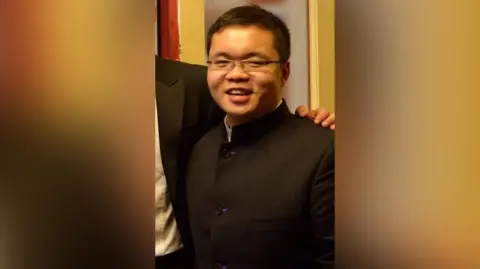
"The concept that a single person can serve as a living vessel of English culture, an individual who can somehow transfer the attributes of a UK sophisticate upon a infant child, strikes me as idealistic and unrealistic," he commented.
"From my perspective, engaging a typically UK tutor from early childhood will will not instantly create the outcome they desire.
"I did not have that kind of mentor, and yet I have been lucky enough to live several of the situations they aspire for their son."
He stated: "The reality is, cultural identity cannot be imposed from the outside; it must be chosen, and it must originate internally."
Acquiring Englishness
Naturally, English culture is something the expert thinks can be educated – and marketed.
"In my view the situation that the global community holds us in this regard is something that we should be cherishing|valuing|appreciating


